

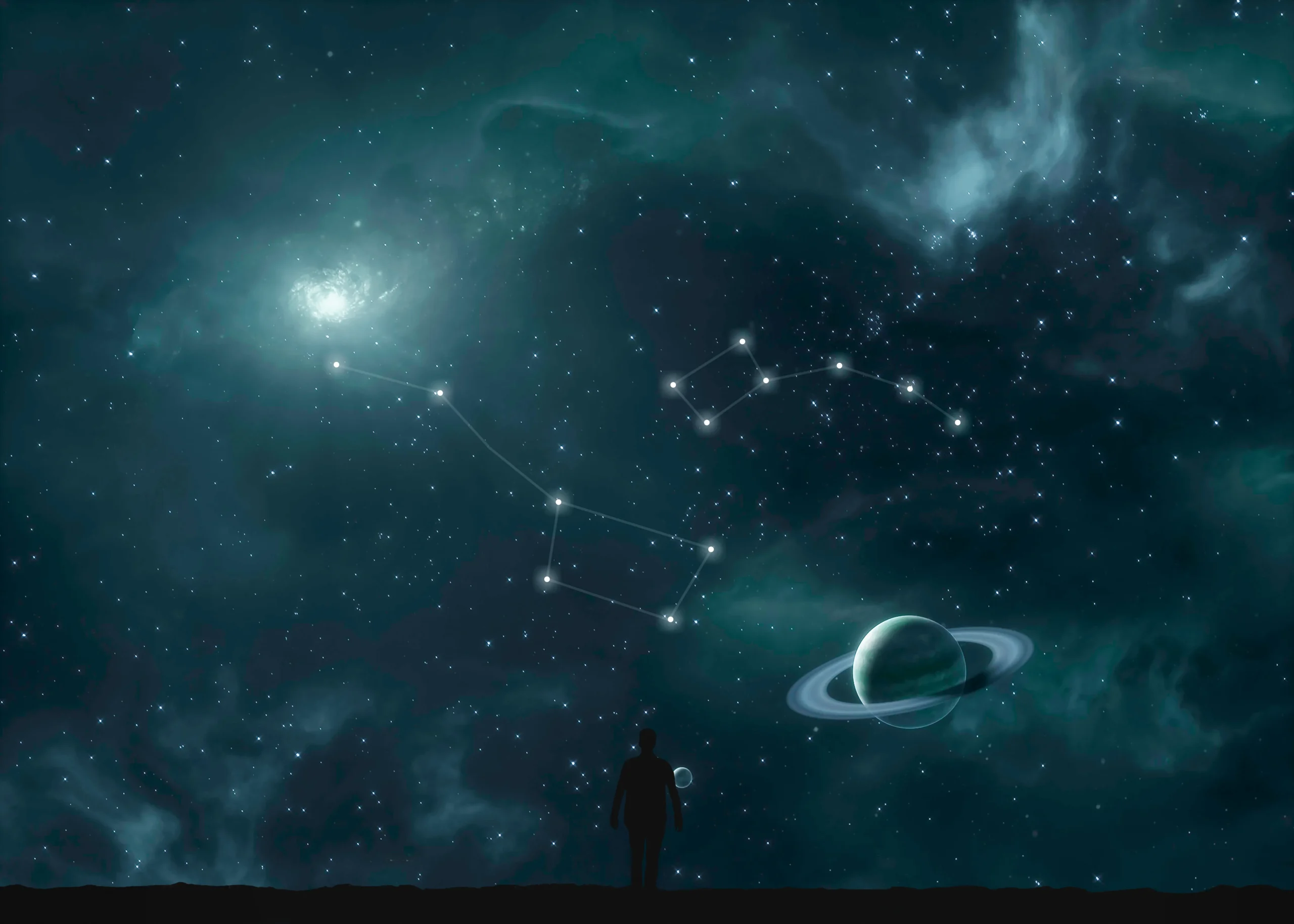
Among the most interesting things in the universe are stars. They are huge balls of hot gas, which release light and heat with the help of nuclear reactions. The Sun, which supplies energy to the earth, is a star as well.
Nebulae are big masses of gas and dust, which form stars. These clouds exist in all the galaxies and they have the basic components of star formation. The gas and dust over time get pulled together by gravity resulting in dense regions in the nebula.
These regions start collapsing due to their gravity as they become denser. This is done by making the temperature and pressure in the forming star rise. At extremely high temperatures, nuclear fusion will commence. It is the reaction where hydrogen atoms are joined together to form helium that emits huge quantities of energy.
When nuclear fusion occurs, a star is formed. The energy formed in the fusion process causes light and heat and the star can be seen when it is very far. The stars may differ in size, color, and brightness according to the temperature and composition.
The stars undergo various phases in their lives. Small stars can live a billions of years, whereas large stars consume their resources faster and live less. The old stars experience transformations that may culminate into the creation of new heavenly bodies.
Once a star dies, it can become a red giant or in a very bright supernova explosion. Through these events, elements are emitted to space which may subsequently give rise to other stars and planets.
The stars are significant in the universe. These are the sources of light and shaping the galaxy/formation, as well as creation of elements that we need to live.
The study of stars assists scientists on how the universe came to be and how it is going to evolve with time.